

Search Rankings: Paid vs. Organic
There are two ways to appear on Google: pay for it, or earn it.
PPC (Pay-Per-Click) ads put you at the top fast, but they're expensive. The moment you stop paying, the traffic stops. Many browsers and ad blockers also filter them out, so not every potential customer even sees them.
Organic rankings work differently. A well-optimized page can hold its position for months or years. Traffic is consistent, and users tend to trust organic results more than ads. Over time, organic SEO delivers a far better return.

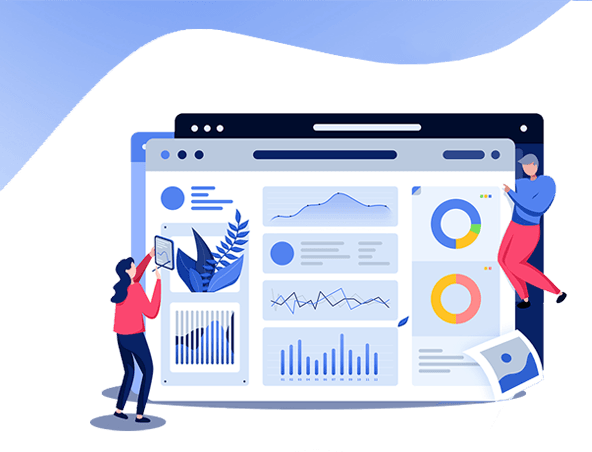
Improving the experience of browsing the website
A fast, easy-to-navigate website doesn't just help users. It directly affects where Google ranks you.
Many websites are built by developers who focus on functionality and skip the user experience. High bounce rates tell Google the content isn't useful. Low bounce rates signal quality. Our SEO work covers both sides: your rankings and the experience users have when they arrive.
Getting Found by the Right People
Most B2B buyers search before they contact a supplier. If you're not showing up for the right terms, those buyers go elsewhere.
SEO closes that gap. It puts your business in front of people who are already looking for what you offer. The more precisely your content matches what they're searching for, the higher your conversion rate.
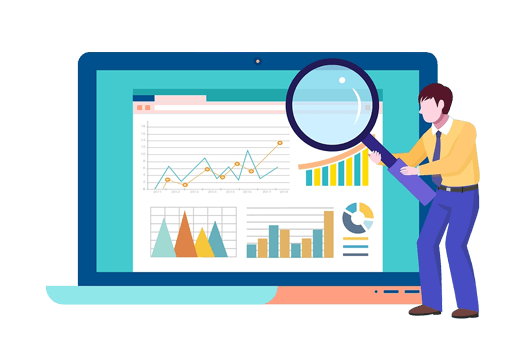
Our SEO Process
① SEO Audit
We start with a full health check: titles, meta descriptions, keywords, internal links, content quality, broken links, URL structure, sitemap, robots.txt, and page speed
② Competitor Analysis
We map out who's ranking above you, which keywords they're targeting, and what content is driving their results
③ Keyword Research
We build a keyword list based on how your customers actually search. We prioritize by search volume, intent, and your realistic chance of ranking, then adjust as trends shift
④ On-site SEO
This covers everything on your pages: navigation, on-page content, keyword placement, internal linking, user experience, and conversion paths
⑤ Off-site SEO
We build your authority through backlinks, PR articles, and external content. We track what's working and cut what isn't
⑥ Performance Tracking
Every month, you get a report. Rankings, traffic, what improved, what needs work. No guesswork