
As artificial intelligence continues to reshape the digital world, 2026 marks a new era for SEO . From how content is created to how users search, AI is fundamentally transforming the way businesses optimize their websites, target keywords, and sustain organic traffic.
For B2B companies seeking to expand globally, understanding how AI and SEO intersect will be the key to staying competitive and driving long-term marketing success.

1. AI-Powered Content Optimization: From Keywords to Intent
In the traditional SEO model, businesses relied heavily on keyword density, backlinks, and on-page structures. But in 2026, search engines like Google and Baidu now leverage AI-powered semantic understanding , which focuses less on exact keywords and more on user intent .
This evolution means SEO has shifted from “keyword matching” to “content meaning.” AI can analyze context, understand user motivations, and deliver the most relevant results based on intent rather than exact phrasing.
For B2B marketers , this change is an opportunity. A professional China SEO Agency like Dminorstudio can use AI-driven tools to perform semantic keyword clustering, identify high-value topics, and generate content that directly addresses pain points—resulting in more qualified leads and sustainable growth.
2. Smarter Technical SEO Through AI Automation
By 2026, technical SEO has become increasingly intelligent and predictive. AI can now monitor website performance in real time, fix broken links automatically, and even predict algorithm updates to help brands adapt before rankings are affected.
Machine learning models are also capable of optimizing site architecture dynamically, ensuring faster page speed, smoother mobile experiences, and compliance with the latest search engine standards.
For B2B companies targeting global markets , this kind of automation is essential. A skilled China SEO Agency that understands both Baidu and Google can help integrate AI technologies to strengthen site performance across different regions, improve crawlability, and ensure consistent visibility in multiple languages.

3. Data-Driven Insights and Smarter Decision Making
In 2026, successful SEO is no longer about guesswork—it's about AI-driven data analytics . Advanced AI tools now consolidate real-time data from Google, Baidu, and Bing to uncover trends and forecast which content will perform best.
Instead of static SEO reports, businesses can access dynamic dashboards that offer actionable recommendations—such as which pages are driving the most qualified leads, what topics resonate with specific regions, and how to allocate content budgets effectively.
For B2B marketers, this means SEO has evolved into a strategic decision-making tool . With AI's help, data becomes intelligence, guiding smarter investments and enabling long-term, sustainable marketing growth.
4. The Power of Integrating AI and SEO for Long-Term Growth
The next generation of marketing competition will not be about who spends more on ads—but who builds a smarter, AI-integrated SEO ecosystem . Companies that can seamlessly merge AI technologies with SEO optimization will gain faster market insights, reach target audiences more precisely, and achieve lower customer acquisition costs.
Partnering with an experienced China SEO Agency like Dminorstudio provides an edge in this new environment. Our approach combines traditional SEO expertise with cutting-edge AI applications—ensuring your website not only ranks well today but adapts intelligently as search evolves.
Conclusion: AI Makes SEO Smarter, and SEO Makes AI More Accurate
SEO in 2026 is no longer an isolated marketing practice—it's part of an intelligent, AI-driven marketing ecosystem. The winners of tomorrow will be those who leverage AI-powered SEO strategies , create high-quality, intent-driven content, and use technology to drive measurable long-term growth.
If you're looking for a partner to help you integrate AI with SEO and strengthen your global digital presence, Dminorstudio —an experienced China SEO Agency —can help your brand stay ahead in the age of intelligent search.
About The Author
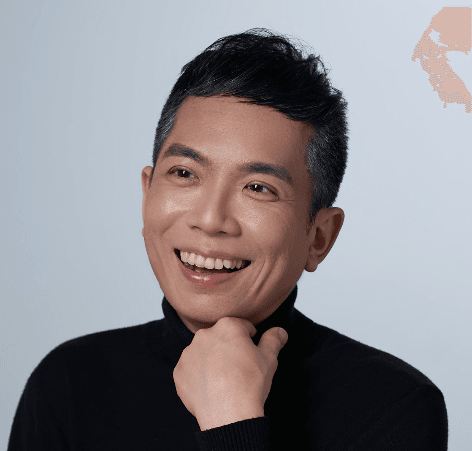
Stephen Tseng
Co-founder of dminorstudio. regularly writes about the intersection of AI, SEO, and B2B growth strategy.