
Many international companies come to the same conclusion after a year or two in China: “The Chinese market is too difficult.”
The company may already have a strong product, an established reputation in the U.S. or Europe, and years of industry experience. It may have invested in a Chinese website, local distributors, salespeople, and trade shows. Yet the results still fall short of expectations. Leads are limited, sales cycles are long, local competitors are gaining ground, and headquarters begins to question whether China is still worth the investment.
Before reaching that conclusion, however, there is another question worth asking:
If a Chinese buyer who has never heard of your company starts looking for a solution today, can they actually find you?
They probably won't search for your brand name. They will search for a product, technical solution, industry application, or specific problem. If your company rarely appears during that research process, even an excellent product may never make it onto the buyer's shortlist.
The problem may not be a lack of demand. It may be a lack of visibility.
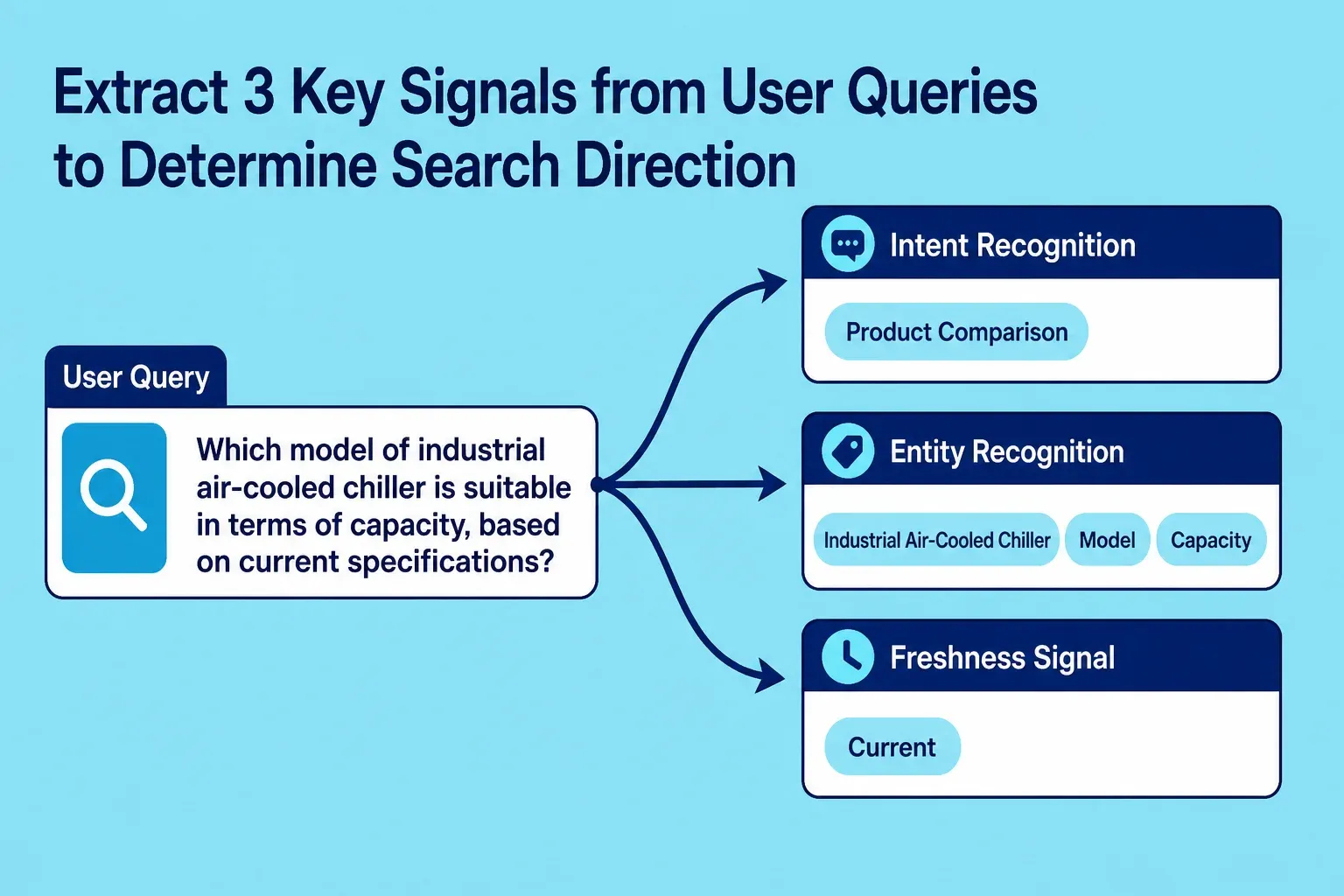
Global Brand Recognition Doesn't Automatically Translate to China
A European or American industrial company may have decades of history, strong Google rankings, and excellent recognition within its global industry. But those advantages don't automatically create trust among Chinese buyers.
Imagine a procurement manager discovering your brand for the first time. They search Baidu and find very little information in Chinese. Your Chinese website contains only basic translated product pages, while searches for relevant solutions repeatedly bring up competitors.
Naturally, questions arise: Is this company seriously committed to China? Does it provide local support? Does it understand our industry? Can we rely on it after the purchase?
This is the gap many international companies underestimate.
Global brand awareness does not automatically equal local market visibility.
Entering China therefore requires more than opening an office, appointing a distributor, or translating a global website. Your brand also needs to become part of the way Chinese buyers discover, research, and evaluate potential suppliers.
Your Customers May Need Your Product — They Just Haven't Found You
B2B purchasing rarely starts with an immediate request for a quotation. An engineer may first search for a technical problem, then research possible solutions and products. Later, procurement teams compare suppliers, review specifications and case studies, and finally contact a small number of companies.
If your brand is missing throughout this process, the lack of inquiries doesn't necessarily mean buyers rejected your product.
You may never have entered the consideration set in the first place.
This is where Baidu SEO can play an important role. The goal shouldn't simply be higher rankings or more website traffic. A useful B2B SEO strategy should help your company understand and capture real Chinese search demand: How do local customers describe your products? What technical questions are they asking? Which applications have meaningful demand? What information do buyers need before they trust an international supplier?
When SEO addresses these questions, it becomes much more than a traffic channel. It becomes part of your sales and market development strategy.
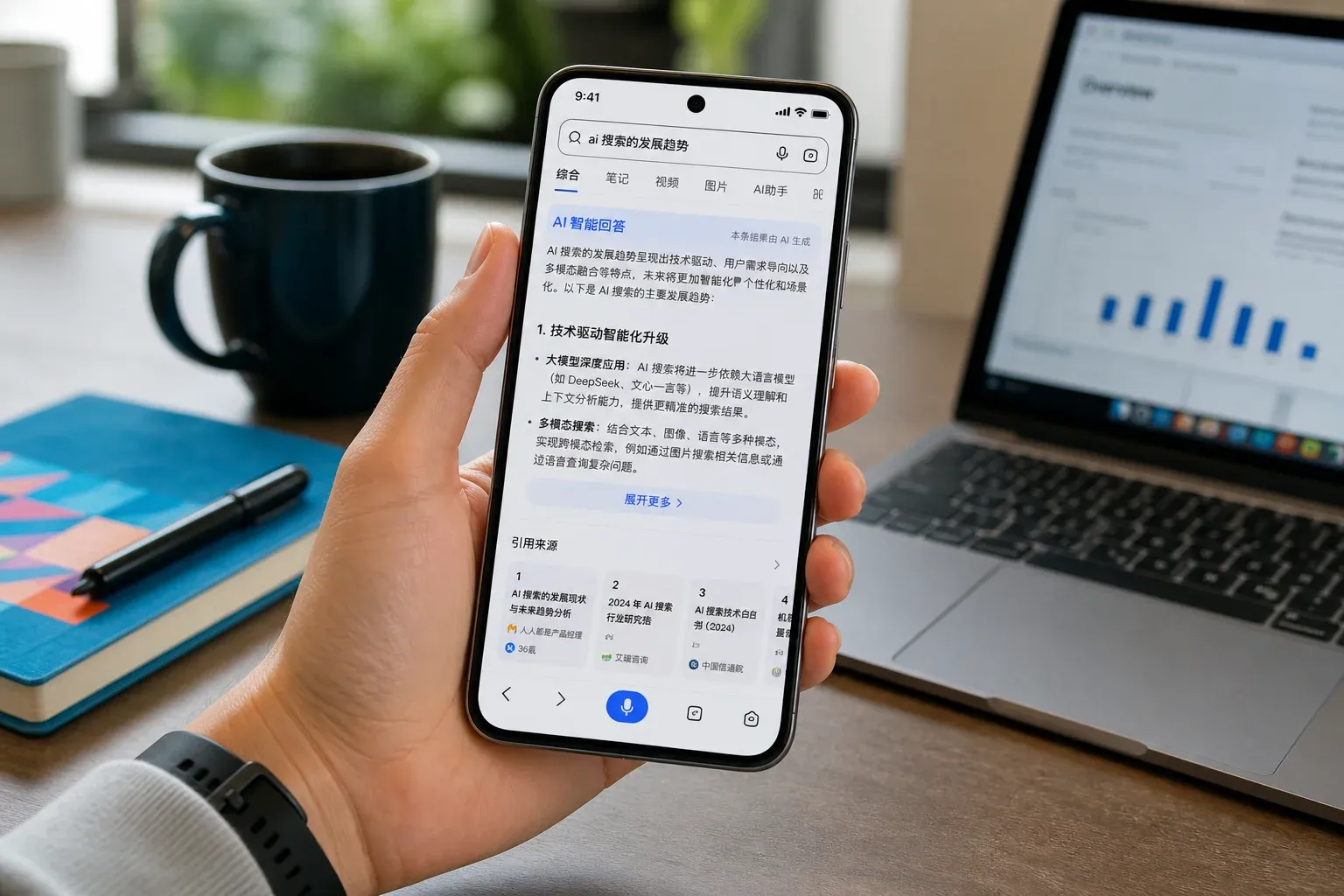
Use PPC to Test the Market, and SEO to Build Long-Term Visibility
SEO takes time, and companies entering a new market cannot afford to spend months relying entirely on assumptions. Baidu PPC can help provide faster feedback.
Paid search campaigns can test different products, keywords, regions, and value propositions. Which search terms attract relevant prospects? Which products show stronger demand? Which landing pages generate inquiries? The answers can then help shape your SEO and content strategy.
In simple terms, PPC helps you learn the market faster, while SEO helps turn what you learn into a long-term digital asset.
But generating clicks is only the beginning. If prospects arrive on your website and cannot find relevant industry applications, technical information, local market experience, or a clear way to contact your team, increasing the advertising budget will simply send more traffic to a website that isn't converting.
SEO, PPC, and your website should therefore work together as one customer journey rather than three separate marketing projects.
A Chinese-Language Website Is Not Necessarily a China-Ready Website
Many international companies approach localization by translating their global website into Chinese. Language matters, but effective localization goes much further.
What information do Chinese buyers need first? How should products be organized? Do you need localized technical resources or industry cases? Can Baidu effectively discover your content? Is it easy for a Chinese prospect to understand how your company supports the local market?
For high-value B2B purchases, your website has another important job: reducing the perceived risk of choosing an international supplier.
Buyers want confidence that you understand the market, have relevant experience, can provide ongoing support, and will be available when problems arise. A strong China-focused website should make those answers easy to find.
That's the difference between simply having a Chinese translation and building a digital presence for the Chinese market.
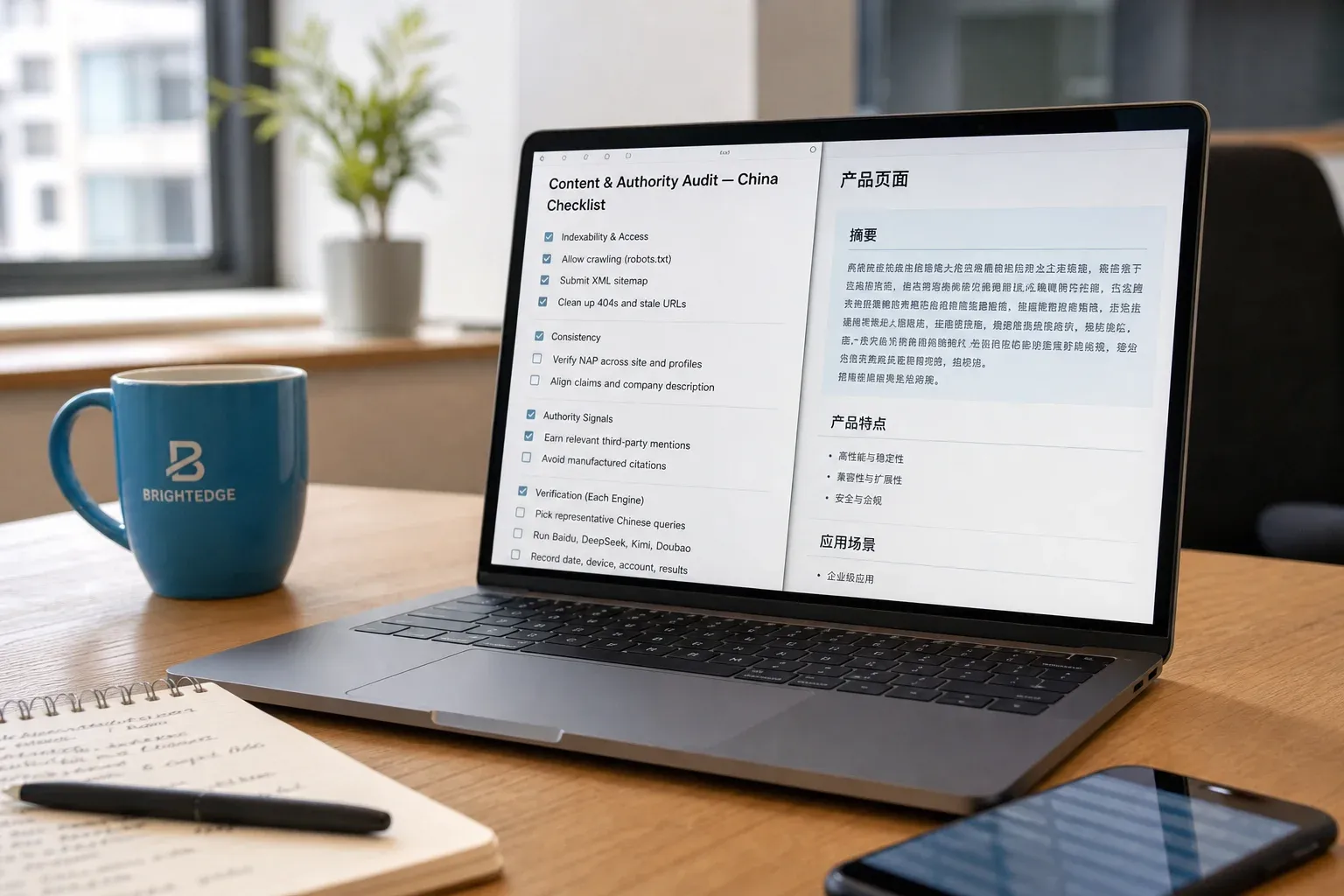
How Dminorstudio Helps International B2B Companies Grow in China
Dminorstudio (DMS) focuses on this complete customer journey. For international B2B companies entering or expanding in China, DMS brings together Baidu SEO, Baidu PPC, China-focused website localization, and digital marketing strategy rather than treating each service as an isolated activity.
Baidu SEO helps companies build long-term visibility around the topics and searches that matter to Chinese buyers. Baidu PPC provides a faster way to test products, keywords, and market demand. A localized B2B website then turns that visibility into a clearer understanding of your products, technical capabilities, and industry expertise.
The objective isn't simply to generate more clicks.
It's to help the right Chinese prospects discover your company, understand your value, trust your capabilities, and ultimately become qualified sales opportunities.
Before Deciding That “China Isn't Working,” Search for Yourself
China is competitive, and local companies continue to become stronger. But there is an important difference between “this market is difficult” and “our brand isn't visible enough in this market.”
Try a simple test. Put yourself in the position of a Chinese buyer who has never heard of your company. Search Baidu for your core products, technical problems, and industry solutions.
Can you find your company?
If the answer is no, you may not yet have enough evidence to conclude that Chinese customers don't want what you sell.
You may only have evidence that they haven't had enough opportunities to discover you.
Baidu SEO can build long-term search visibility. Baidu PPC can help validate demand and reach potential customers faster. A properly localized B2B website can turn that attention into trust and inquiries.
Dminorstudio helps international B2B companies combine Baidu SEO, Baidu PPC, China website localization, and integrated digital marketing to become more visible to Chinese buyers and generate meaningful business opportunities.
So before deciding that China is the problem, ask a different question:
When Chinese customers start looking for what you sell, are you actually there to be found?
Ready to talk? Use our contact form.
About The Author

Stephen Tseng
Co-founder of dminorstudio. regularly writes about the intersection of AI, SEO, and B2B growth strategy.